Does an Iowa License Work in Illinois Waters Too?
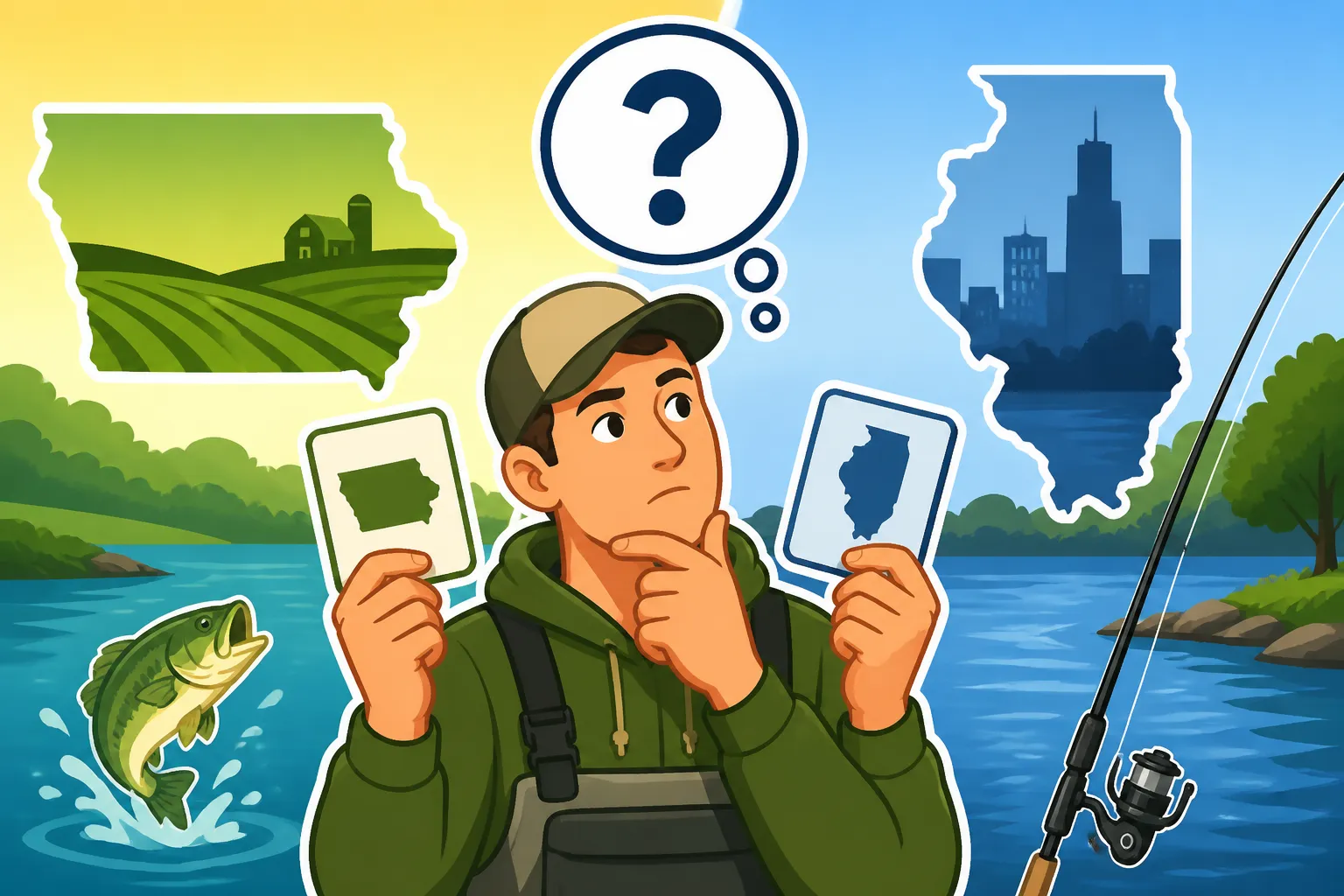
It's incredibly frustrating when you're planning a fishing trip to the mighty Mississippi River, looking out over those beautiful waters, and you’re left wondering if your Iowa fishing license covers you if your lure drifts a little too far east. The rules for fishing on border waters can feel like a confusing maze, making you hesitate before casting a line. This comprehensive guide is here to untangle those specific regulations, clarify exactly when and where your Iowa license is valid, and help you understand when an Illinois license becomes a necessity for a worry-free day on the water.
Understanding Reciprocal Fishing Agreements on Border Waters
One of the biggest headaches for anglers living near state lines, especially along a river as iconic as the Mississippi, is figuring out which license you actually need. You’ve got your trusty Iowa fishing license, you’re ready to hit the water, but then that nagging question pops up: "Does this thing work in Illinois?" For many years, and still largely true today, states bordering shared waterways often have what are called "reciprocal agreements." These agreements are designed to make fishing less complicated for anglers, allowing a single license from either state to be valid under specific conditions on the shared body of water.
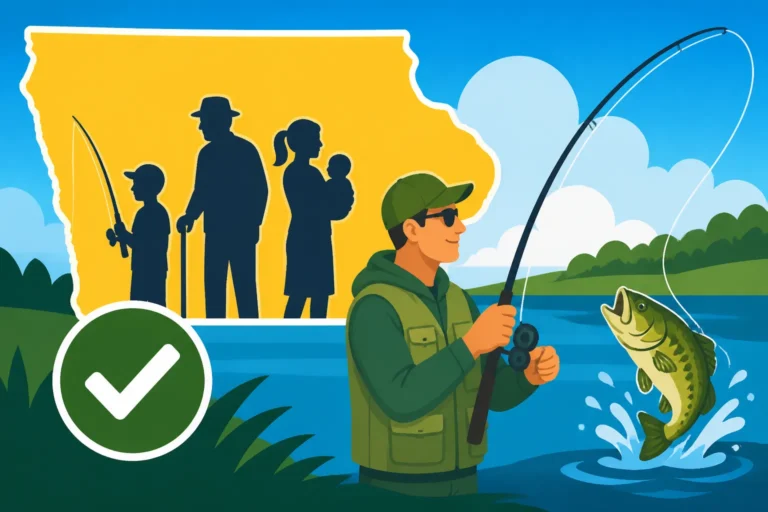
The good news for Iowa anglers eyeing the Mississippi River is that, yes, there is a reciprocal agreement in place between Iowa and Illinois for fishing the Mississippi River. This means that if you possess a valid Iowa fishing license, you are generally allowed to fish in the waters of the Mississippi River that form the common boundary between Iowa and Illinois. This applies whether you're fishing from the Iowa bank, an Iowa-registered boat, or even if you're in an Illinois-registered boat, as long as you remain within the defined boundary waters of the Mississippi River. It's a fantastic convenience that saves you from having to buy two separate licenses just to fish one river. However, this convenience comes with very specific boundaries and conditions that every angler needs to be acutely aware of. Fishing the Mississippi River is a unique experience, and understanding these rules is paramount to enjoying it without legal worries. You can find more comprehensive details about the specific nuances of these agreements in our guide on the Iowa Fishing Regulations on the Mississippi River Border.
What "Border Waters" Actually Mean
When we talk about "border waters" concerning the Mississippi River between Iowa and Illinois, it’s not just any water near the river. It specifically refers to the main channel of the Mississippi River and its adjacent backwaters, sloughs, and side channels that lie between the main navigation channel and the ordinary high water mark on either side. It’s not an imaginary line down the middle of the river; it's the entire contiguous aquatic system. This means if you're fishing a backwater lake that's directly connected to the Mississippi River, even if it feels like it's clearly on the Illinois side, your Iowa license might still cover you. This is a critical distinction, as many of the best fishing spots, especially for species like walleye and crappie, are found in these backwater areas.
However, the moment you move beyond these directly connected waters – into a bayou or lake that's separated by a levee, a road, or an area that's not considered part of the contiguous river system – you're no longer in border water territory. For instance, if you portage your kayak over a levee into a landlocked lake that happens to be on the Illinois side, your Iowa license immediately becomes invalid for that spot. The key is the direct connection and being part of the common boundary system. This distinction can sometimes feel like splitting hairs, but it's where anglers often get into trouble. Always double-check your maps and be aware of your surroundings, especially if you're exploring new areas.
Species and Size Limits on Border Waters
While your Iowa fishing license covers you for access to fish in the shared Mississippi River waters with Illinois, it’s absolutely vital to remember that you must adhere to the fishing regulations of the state in which you are licensed. This is a crucial point that often trips up anglers. For example, if you hold an Iowa fishing license and you're fishing the reciprocal waters of the Mississippi River, you must follow Iowa's daily bag limits, size restrictions, and season dates for all fish species. This applies even if Illinois has different limits for the same species.
Let’s say Iowa has a 15-inch minimum size limit for walleye, but Illinois's limit is 14 inches. If you have an Iowa license, you cannot keep a 14-inch walleye, even if you caught it technically closer to the Illinois bank. You are bound by Iowa's rules, which you can easily find in the official Iowa Fishing Regulations Explained guide published by the Iowa Department of Natural Resources. The same logic applies to species like bass, catfish, and panfish; whatever limits Iowa has set, those are the ones you must follow. It’s your responsibility as the angler to know and abide by these specific rules, and wardens on both sides of the river are well-versed in enforcing them. Ignorance of the law is never an excuse, and penalties for exceeding the daily bag limit or keeping undersized fish can be steep.
When an Illinois Fishing License Becomes Necessary
So, we've established that your Iowa license often works on the shared Mississippi River. But what about all the other fantastic fishing opportunities Illinois has to offer? Or what if you're fishing a tributary that flows into the Mississippi but is clearly within Illinois state lines? This is where the reciprocal agreement ends, and the need for an Illinois fishing license begins. It's a clear line in the sand, or rather, in the water, and crossing it without the proper credentials can lead to fines and legal headaches.
Fishing Inland Illinois Waters
The moment you leave the reciprocal waters of the Mississippi River and venture into any lake, pond, or stream that is wholly contained within Illinois, your Iowa fishing license becomes completely invalid. This means if you want to fish a beautiful state park lake like Shabbona Lake, or try your luck in the Illinois River, or any of the countless smaller waterways throughout the state, you absolutely need an Illinois fishing license. There are no exceptions for these inland waters, regardless of how close they might be to the Iowa border.
Consider a scenario: you're staying in a cabin near Galena, Illinois, and there's a charming little private lake or a local county park pond just down the road. Even if you've spent the morning catching walleye on the Mississippi River with your Iowa license, you'll need to purchase an Illinois license before casting a line in that local pond. It's a separate jurisdiction with its own set of rules, seasons, and licensing requirements. It’s always better to be safe than sorry, and getting an Illinois license if you plan on exploring these non-border waters is a simple step to ensure you're fishing legally. You can typically purchase Illinois fishing licenses online, through their DNR website, or at authorized vendors like bait shops and sporting goods stores across the state. They even offer various options, including an Illinois Nonresident Annual Fishing License or short-term licenses if you're just visiting for a weekend.
Tributaries and Backwaters Beyond the Main Channel
This is often the trickiest part for anglers to understand. The reciprocal agreement for the Mississippi River applies to the "common boundary waters." What does that not include? Tributary streams or rivers that flow into the Mississippi, once you go upstream from their confluence into Illinois territory. For example, if you’re fishing the Mississippi and decide to venture a significant distance up a tributary like the Rock River in Illinois, your Iowa license will not cover you. Even if the tributary feels like "part of the river system," if it's no longer the main channel or directly connected backwaters at the border, it falls under the exclusive jurisdiction of Illinois.
Imagine you're targeting smallmouth bass in one of the Mississippi River's backwaters on the Illinois side. As long as that backwater is directly connected and considered part of the common boundary, your Iowa license is fine. However, if you follow a small creek upstream from that backwater, and it narrows and snakes through private land or designated Illinois-only areas, you've likely left the reciprocal zone. The best rule of thumb is this: if you're unsure, and it feels like you've gone beyond the main river and its immediate, easily accessible backwater areas, it's safer to assume you need an Illinois license. Having a good navigation app or map can help you understand the exact boundaries, but when in doubt, an extra license is always cheaper than a poaching fine.
Navigating Border Waters Responsibly
Fishing the border waters of the Mississippi River offers incredible opportunities, but it also demands a heightened sense of awareness regarding regulations. It's not just about having the right license; it's about understanding the nuances of how those rules are applied and what your responsibilities are as an angler. Nobody wants their relaxing day on the water ruined by an unexpected encounter with a conservation officer due to a simple misunderstanding.
Best Practices for Anglers on the Mississippi River
To ensure you stay on the right side of the law, here are some actionable tips for fishing the Mississippi River between Iowa and Illinois:
- Always Carry Your License (and Know Its Rules): This seems obvious, but make sure your Iowa fishing license is always on you and easily accessible. More importantly, be intimately familiar with Iowa Fishing Season Dates and Limits, as these are the regulations you must follow, even when fishing on the Illinois side of the reciprocal waters. You can even store a digital copy on your phone through the GoOutdoors Iowa app, which is a convenient way to always have it with you.
- Understand the "Common Boundary" Concept: As discussed, the reciprocal agreement applies to the main channel and contiguous backwaters. If you're drifting far into a slough or an area that looks or feels completely separated from the main river, pause and consider if you might be exiting the shared waters. Maps from the Iowa DNR or USGS can be incredibly helpful for identifying these zones.
- Consider a Second License for Inland Exploration: If your fishing plans include exploring any lakes or rivers inside Illinois, even for just a few hours, investing in an Illinois fishing license is a smart move. It provides peace of mind and allows you to freely explore more diverse fishing opportunities without worry.
- Stay Updated on Regulations: Fishing regulations can change, albeit usually with good notice. Always check the current year's Iowa Fishing Regulations Explained before your season begins. You can usually find the most up-to-date booklets at local bait shops or online.
- Use GPS and Mapping Apps: Modern technology is your friend! Apps like Navionics or even Google Maps with satellite view can help you identify main channels, backwater connections, and potential separation points. Using these tools can prevent accidental excursions into non-reciprocal waters. Many anglers also buy waterproof river maps, which can be found on sites like Amazon, to get an even clearer picture of the constantly shifting river landscape.
What Happens If You Cross the Line?
So, what if you accidentally (or intentionally) fish in Illinois waters without an Illinois license, and you only have your Iowa one? Well, it's not a trivial matter. Fishing without the proper license is considered a violation, and the consequences can range from a warning to a significant fine, potential confiscation of your gear, and even legal action. Conservation officers from both Iowa and Illinois patrol these waters, and they are well-aware of the reciprocal rules. They're not there to ruin your day, but to enforce the laws that protect fisheries and ensure fair play for all anglers.
The exact penalty for fishing without a license can vary, but generally, you're looking at a fine that's likely much higher than the cost of a nonresident license. For example, if you are caught fishing without a license in Illinois while holding only an Iowa license in non-reciprocal waters, you could face fines and court costs. It's a situation that no one wants to be in, and it's entirely preventable by simply understanding the rules and being prepared. Remember, the goal of these regulations is to manage fish populations and ensure sustainable fishing for everyone.
To make things even clearer, let's look at a quick comparison:
| Scenario | License Required | Key Considerations |
|---|---|---|
| Fishing Mississippi River (Iowa side) | Iowa Fishing License | Must follow Iowa's daily bag limits, size restrictions, and seasons. |
| Fishing Mississippi River (Illinois side, within reciprocal waters) | Iowa Fishing License (or Illinois) | Must follow Iowa's daily bag limits, size restrictions, and seasons if using an Iowa license. Reciprocal agreement applies. |
| Fishing Illinois Tributary (inland from Mississippi) | Illinois Fishing License | Iowa license is NOT valid. Must follow Illinois's specific regulations for that waterway. |
| Fishing Illinois Inland Lake/Pond | Illinois Fishing License | Iowa license is NOT valid. Must follow Illinois's specific regulations for that waterway. |
| Fishing from Iowa Bank into Mississippi | Iowa Fishing License | Covered by reciprocal agreement if fishing the common boundary waters. |
| Fishing from an Illinois-registered boat in reciprocal waters | Iowa Fishing License (or Illinois) | If you have an Iowa license, you're covered in reciprocal waters, but still follow Iowa's regulations. |
This table highlights the core principle: your license dictates the regulations you follow, and the location dictates which state's license is required. It might seem like a lot to remember, but with a little preparation and vigilance, you can easily enjoy all the incredible fishing opportunities the Iowa-Illinois border region has to offer. Just imagine the joy of reeling in a trophy walleye from the Mississippi, knowing you're fully compliant with all the rules!
Final Thoughts on Border Water Fishing
Navigating the rules for fishing on border waters like the Mississippi River can feel a bit daunting at first, but with a clear understanding of reciprocal agreements and where they apply, it’s actually quite manageable. Your Iowa fishing license is a powerful tool, granting you access to a vast and productive stretch of the Mississippi River, whether you're casting from the banks near Dubuque or trolling the channels near Burlington. Just remember that its validity has limits, particularly when you venture into inland Illinois waters or further up their tributaries.
Always prioritize knowing the regulations of the state your license comes from, and be mindful of where you are on the water. A little bit of homework before your trip, perhaps checking the official state DNR websites or even picking up a physical map on Amazon, can save you a lot of hassle and ensure your time on the water is nothing but enjoyable. Happy fishing, and may your lines be tight!
Disclaimer
The information provided in this guide is intended for general informational purposes only and does not constitute legal advice. Fishing regulations are subject to change, and it is the sole responsibility of the angler to consult the most current official regulations published by the Iowa Department of Natural Resources and the Illinois Department of Natural Resources before fishing.