Iowa Fishing License Rules for Kids Under 16
For many parents and guardians, the idea of taking kids fishing in Iowa is filled with a little bit of anxiety, not about the fish, but about the paperwork! Trying to figure out all the nuances of licenses, especially for the youngest anglers, can feel like navigating a maze. This comprehensive guide is here to untangle all those worries, clearly explaining the Iowa fishing license rules for kids under 16 so you can focus on making memories, not chasing permits.
The Golden Rule: Kids Under 16 Don't Need a General Fishing License in Iowa
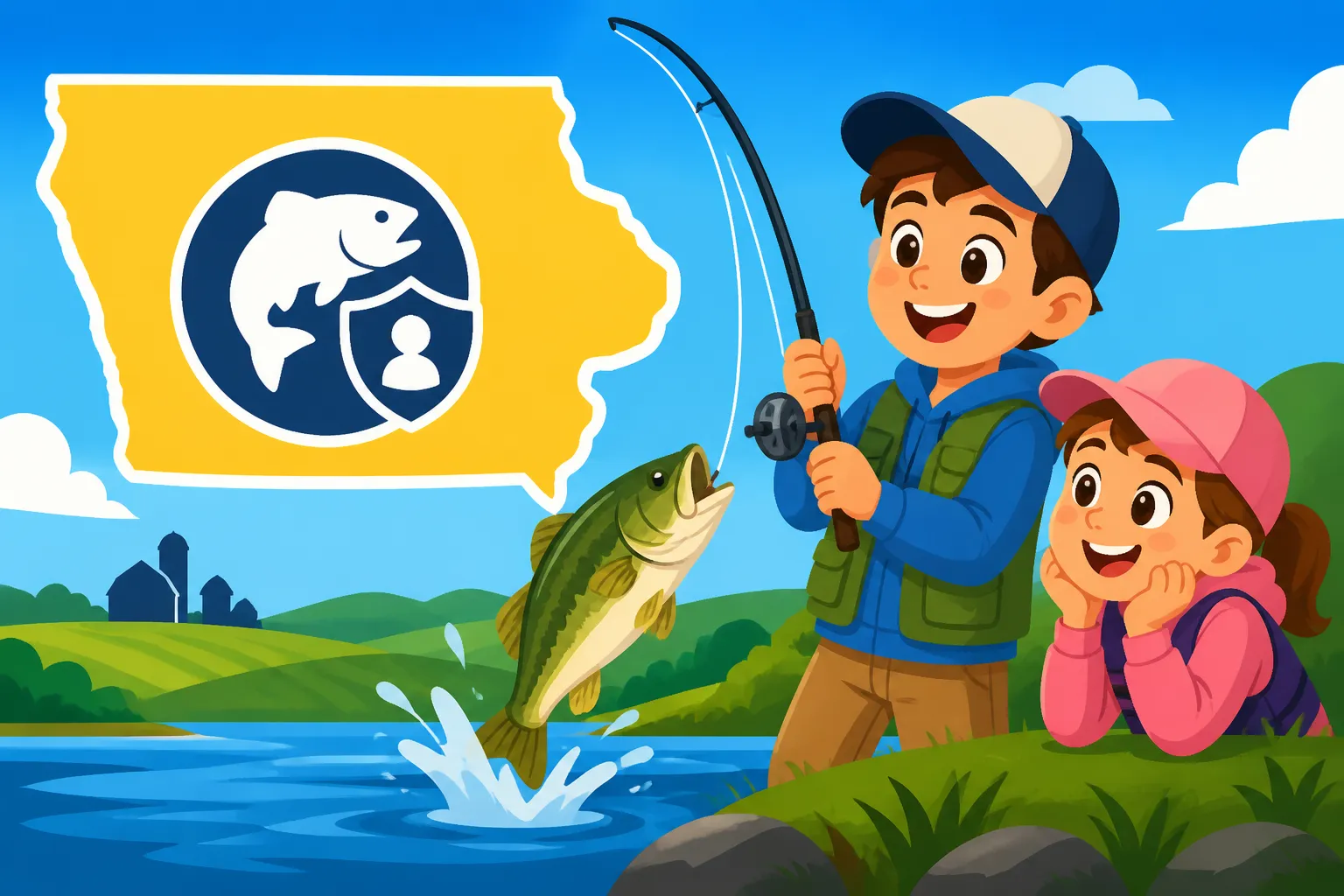
Let's cut right to the chase because this is the most important piece of information you need to know: in Iowa, any child under the age of 16, whether they are a resident or a non-resident, does not need a general fishing license to enjoy the state's waters. This is a fantastic initiative by the Iowa Department of Natural Resources (DNR) designed to remove barriers and encourage youth participation in outdoor activities.
Age-Based Exemptions for Resident and Non-Resident Youth
This exemption means if you're planning a fun day out at a local lake, pond, or river, and your child is 15 years old or younger, you won't need to worry about purchasing a separate fishing license for them. This applies universally, whether your family lives right here in Des Moines or you're visiting from out-of-state. The Iowa DNR truly wants to foster a love for fishing from a young age, and keeping the process simple for kids is a huge part of that. Imagine the joy of seeing your child reel in their first bluegill without the added stress of checking license validity or expiration dates. It truly simplifies the experience for families.
It’s worth noting that while your child is exempt, any adult accompanying them who plans to fish themselves will need a valid Iowa fishing license. This rule ensures that while kids get a free pass, the general framework of funding conservation through license sales remains robust. Understanding the full scope of these exemptions can save you time and ensure you're compliant, so you can delve deeper into all the Iowa Fishing License Exemptions available.
The Iowa DNR's Vision: Encouraging Young Anglers
The decision to waive license requirements for youth isn't just a random act of kindness; it's a strategic move by the Iowa DNR to cultivate the next generation of conservationists and outdoor enthusiasts. They understand that early exposure to activities like fishing can create lifelong passions and a deeper appreciation for natural resources. By making it easy and free for kids to get started, they’re investing in the future of Iowa's outdoors.
This approach is part of a broader effort to make outdoor recreation accessible. Think about community fishing events or educational programs often hosted by the DNR and local organizations; they all aim to introduce kids to fishing in a welcoming environment. Removing the license hurdle for children is a foundational step in lowering the entry barrier, allowing more families to simply grab some gear, perhaps a basic beginner's kit you can easily find on Amazon, and head out to the water. This focus on engagement is crucial for maintaining the vibrant fishing culture that Iowa is known for, ensuring that traditions are passed down from generation to generation.
Understanding the Specifics of the Youth Fishing Exemption
While the general rule is wonderfully straightforward, like with most regulations, there are specific details and occasional nuances that are important to understand. Knowing these specifics will ensure your young angler's trip is entirely compliant and enjoyable.
What Activities Are Fully Covered by the Exemption
The beauty of the "under 16" exemption is its broad applicability. It covers most forms of recreational fishing in Iowa’s public waters. This means whether your child is casting a line for panfish at a local pond, trying to land a bass in one of Iowa's many lakes, or catfishing on a river, they won't need that general fishing license. This extensive coverage includes using typical fishing methods like rod and reel, cane poles, and even trotlines (if permitted in the specific water body and if an adult licensed angler is supervising and adhering to their own specific regulations).
For example, if you're spending a weekend camping at Lake Rathbun and your 12-year-old wants to try their hand at catching crappie, they are good to go without a license. Or perhaps your 8-year-old is fascinated by the idea of catching a channel catfish on the Des Moines River; again, no general license needed for them. It’s all about getting them out there to experience the thrill of the catch. The main goal is to simplify entry into the sport, allowing parents to easily take their kids fishing without the added administrative step of purchasing a junior license. You can find more detailed explanations about general rules in the comprehensive Iowa Fishing Regulations Explained guide.
When the Rules Shift: The Case of Trout Fishing and the Trout Fee
Now, here's where a crucial distinction comes into play: trout fishing. While kids under 16 generally don't need a general fishing license, Iowa's trout fishing program has a specific requirement. If your child is actively fishing for trout in designated trout streams or ponds, they will need to possess a valid Iowa Trout Fee. This is sometimes colloquially referred to as a "trout stamp," though it's technically a fee that's added to a general license or purchased separately.
However, there's good news and a specific exemption for kids here too! Even though the general rule for trout fishing is that everyone needs the trout fee regardless of age, the Iowa DNR does waive the trout fee for kids under 16 if they are accompanied by a properly licensed adult who has purchased the trout fee and actively fishes alongside them. So, if you, as the accompanying adult, have your valid Iowa fishing license and the Iowa Trout Fishing Fee and Stamp Guide, your child under 16 can fish for trout with you without needing their own trout fee. This is a common point of confusion, so it's always best to check the specifics, especially since the exact regulations can sometimes change year to year. For more information, you can read about the Trout Fee Waived for Kids Under 16.
Beyond the License: Other Important Considerations for Young Anglers
While the license rules for kids under 16 are quite generous, being a responsible angler involves more than just a permit. There are crucial aspects like adult supervision, safety, and adherence to other fishing regulations that ensure a safe and ethical experience for everyone.
The Importance of Adult Supervision and Guidance
Even though kids can fish without a license, adult supervision is paramount for their safety and for teaching them proper angling etiquette. A responsible adult can teach a child how to cast safely, how to properly handle a fish for release, and how to identify different species. More importantly, an adult is there to ensure the child’s safety around water, especially near rivers with currents or on boat docks. Fishing provides a wonderful opportunity for mentorship. It's a chance to bond, share knowledge, and instill a love and respect for nature.
Beyond safety, an adult's guidance helps instill ethical fishing practices. This includes teaching kids about "leave no trace" principles, like picking up litter, and understanding the importance of conservation. It’s not just about catching fish; it's about appreciating the entire outdoor experience. Many parents enjoy finding beginner fishing books and guides on Amazon to help teach their children about fish identification, knot tying, and local species, turning each outing into a fun learning adventure.
Boating Safety and Education for Younger Operators
If your fishing trip involves a boat, even if it's a small motorboat, there are additional rules to consider, especially if a younger person is operating it. While kids under 16 don't need a fishing license, they might need to meet specific boater education requirements to operate certain types of motorized vessels. Iowa law has minimum age restrictions and education requirements for operating personal watercraft and motorboats. For instance, individuals born after January 1, 1972, must complete a boating safety course to operate a motorboat or sailboat.
Even if your child is too young to operate a motorboat alone, understanding these rules is crucial for the accompanying adult. It’s not uncommon for families to let teenagers handle the boat under supervision, so knowing "Do Teenagers Need a Boating Safety Course?" is vital for safe and legal boating. Safety equipment, such as life jackets, is also mandatory for all occupants, especially children. Ensure every child on board has a properly fitted life jacket and wears it, as required by law.
Respecting Daily Bag Limits and Size Restrictions
Just because a child doesn't need a fishing license doesn't mean they're exempt from other fishing regulations. All anglers, regardless of age or license status, must adhere to Iowa's daily bag limits and size restrictions for all fish species. These rules are critical for maintaining healthy fish populations and ensuring sustainable fishing for years to come.
This means if your 10-year-old catches a walleye that's under the legal size limit for the body of water you're fishing, it must be released immediately. Similarly, if they've caught their share of five crappie (assuming that's the daily limit, which varies by water body), they cannot keep any more, even if other family members haven't reached their limit. The Iowa DNR publishes an annual fishing regulations booklet (available online and at license vendors) that details all these specifics. Regularly checking the Iowa Fishing Daily Bag Limits Guide will keep you informed and help teach your kids about ethical harvesting. Teaching children about these limits helps them understand the importance of resource management from a young age.
Navigating Exceptions and Special Opportunities for Youth
Iowa offers some fantastic opportunities that further encourage young anglers, including special events and programs designed to make fishing even more accessible and exciting for kids. These exceptions and opportunities are excellent ways to introduce fishing to a beginner.
Free Fishing Weekend: A Gateway for Young Enthusiasts
One of the most exciting opportunities for budding anglers and their families is Iowa's annual Free Fishing Weekend. Typically held in early June, this event allows all Iowa residents to fish without a fishing license for an entire weekend. This includes adults who would normally need a license, making it a perfect time for families where parents might not fish often to try it out with their children. For kids under 16, who already don't need a license, it means even greater clarity—no exceptions, no fees, just pure fishing fun.
This weekend is especially valuable for families considering getting into fishing but who are hesitant about the initial investment in licenses. It's a risk-free way to dip your toes in the water, literally! Many communities and state parks host special events during the Free Fishing Weekend, offering clinics, loaner equipment, and even stocked ponds, which are excellent ways to kickstart a child's fishing journey. Planning a trip around this event is a fantastic way to experience the outdoors and foster a love for fishing. You can find out more details by looking up the Iowa Free Fishing Weekend Guide.
Unique Programs and Community Events for Kids
Beyond the Free Fishing Weekend, the Iowa DNR and various local conservation groups frequently organize programs specifically for youth. These can range from "Kids' Fishing Derbies" at local ponds to educational workshops that teach basic fishing skills, aquatic ecology, and conservation principles. These events often provide bait, tackle, and even loaner fishing rods, removing another potential barrier for families who don't yet own all the gear.
These programs are invaluable for kids who might not have an experienced angler in their family but are curious about the sport. They offer a structured, safe, and fun environment to learn. You might find information about these events on the Iowa DNR website, local park and recreation department sites, or even through school programs. Participating in such events can provide a positive first fishing experience, laying the groundwork for a lifetime of outdoor enjoyment. It's a great way for kids to not only catch fish but also to connect with other young anglers and learn from seasoned mentors.
Equipping Young Anglers: Gear, Knowledge, and Resources
Getting a child started in fishing is more than just knowing the license rules; it's about providing them with the right tools, knowledge, and access to resources that make the experience enjoyable and successful.
Choosing the Right Gear for Beginner Anglers
You don't need to break the bank to get your child started in fishing. For young beginners, simplicity and durability are key. A basic spincast rod and reel combo is often the best choice. These combos are incredibly user-friendly, with a push-button casting mechanism that's easy for small hands to master. Look for shorter rods (around 4-5 feet) with light action, which makes even smaller fish feel exciting. Many brands like Shakespeare (with their "Ugly Stik" line) or Zebco offer excellent, affordable kids' combos. You can often find a wide selection of these beginner kits, complete with a basic tackle box and a few lures, on Amazon.
Essential starter tackle should include:
- Bobbers: Simple clip-on bobbers are perfect for panfish.
- Hooks: Small hooks (size 8 or 10) are ideal for bluegill and crappie.
- Sinkers: Split-shot sinkers help get the bait down.
- Bait: Live bait like worms or wax worms are highly effective and exciting for kids to use.
- Pliers: Small pliers for hook removal are a must for safety.
- A small cooler or bucket: To keep any keepers fresh, or simply to hold water for observing caught fish before release.
Remember, the goal is to make it fun and accessible. Don't overload them with complex gear. As they grow and develop their skills, you can gradually introduce more specialized equipment. For more ideas on what to get, check out the Best Tackle for Iowa Fishing.
Accessing Official Regulations and Educational Materials
Staying informed is key for any angler, regardless of age. While this guide clarifies the specific rules for kids under 16, it’s always a good idea for the accompanying adult to have access to the latest official Iowa fishing regulations. The Iowa DNR annually publishes a comprehensive fishing regulations booklet, which details everything from daily bag limits to specific rules for different water bodies and species. This booklet is typically available for free wherever fishing licenses are sold, such as bait shops, sporting goods stores like Amazon (for digital versions or related guides), or directly from the DNR’s website.
Beyond the regulations, the DNR also provides a wealth of educational materials designed to help anglers of all ages. Their website is full of resources on fish identification, fishing techniques, and conservation efforts. These resources can be invaluable for teaching kids about the fish they're catching and the environment they're exploring. Consider checking out the general Iowa Fishing License Guide for an overall understanding that complements these youth-specific rules. Furthermore, if you're ever in doubt about a specific rule or need to purchase a license for yourself, knowing Where to Buy a Fishing License in Iowa or How Long a Fishing License Stays Valid can be very helpful.
| Age Group | General Fishing License Required | Iowa Trout Fee Required (for Trout Fishing) | Key Considerations |
|---|---|---|---|
| Under 16 | NO | NO (if accompanied by licensed adult with fee) | Adult supervision, adherence to limits, safety equipment |
| 16 and Older | YES | YES (in designated trout waters) | Valid license, proper fees, all regulations apply |
| Free Fishing Weekend | NO (for Iowa Residents) | NO (for Iowa Residents) | Check specific dates annually, all other rules apply |
Disclaimer
Please remember that fishing regulations can change. While this guide provides current information, it is always best to consult the official Iowa Department of Natural Resources (DNR) website or the latest Iowa fishing regulations booklet for the most up-to-date and complete rules before heading out on your fishing trip.