When White Bass Run in Iowa Rivers
There's a special buzz that electrifies Iowa anglers when spring starts hinting at warmer weather – it's the anticipation of the white bass run. Many of us have felt that frustration, trying to pinpoint the exact moment these feisty fish decide to make their upstream journey, often missing the best action because we were a day or two late. This guide is here to cut through the guesswork, helping you understand when the white bass run in Iowa rivers, what triggers it, and how to be ready for that exhilarating surge of activity.
Understanding the White Bass Run Phenomenon
For many Iowa anglers, the white bass run is one of the most exciting events of the year. It's a period of intense activity where thousands of these silver-sided fighters move en masse, creating incredible fishing opportunities. But what exactly is happening, and why does it feel like such a fleeting event?
What Exactly is a White Bass Run?
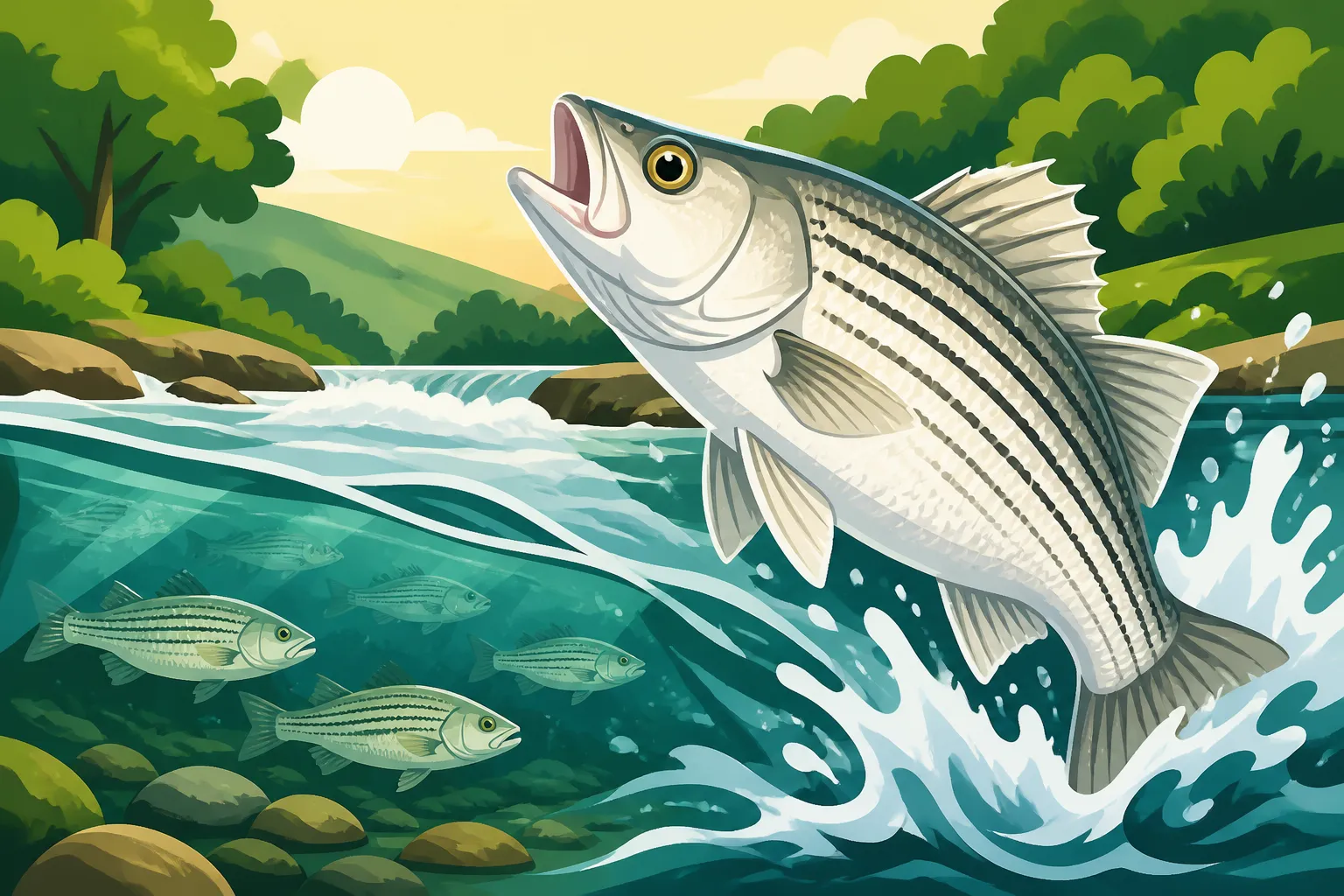
Imagine a river coming alive with fish, all moving with a singular purpose. That's essentially what a white bass run is. As spring progresses and water temperatures climb, white bass, which often spend their winters in deeper lake basins or larger river pools, begin to migrate upstream into shallower, faster-moving waters of rivers and tributaries. This isn't just a leisurely swim; it's a determined journey driven by instinct. They're heading to specific areas that provide the ideal conditions for their annual spawning ritual. When the conditions are just right, entire schools will push upstream, sometimes for many miles, concentrating in relatively small areas, which makes them incredibly accessible to anglers from shore or boat. It's a burst of energy, a frantic dash, and then, almost as quickly as it started, it's over as they disperse back to their summer haunts.
Why They Run: Spawning Instincts
The short answer for why white bass run is simple: to reproduce. White bass are broadcast spawners, meaning they release their eggs and milt (sperm) freely into the water column over gravelly or rocky bottoms in moving water. There's no nest building or parental care involved. This method requires specific conditions to be successful, primarily flowing water that keeps the eggs suspended and aerated until they hatch. The upstream migration puts them in these ideal areas – often below dams, at river bends, or in sections of river with noticeable current and hard bottoms.
The timing is critical. If they spawn too early, cold snaps can harm the eggs. Too late, and other predatory fish or rapidly changing water levels could be an issue. Their biological clock is finely tuned to environmental cues, especially water temperature and flow. When these factors align perfectly, the run intensifies, creating that legendary fishing frenzy that so many of us chase each spring. It’s a primal urge, an ancient dance between species and season that creates some of the most memorable fishing experiences Iowa has to offer. Understanding this underlying biological drive helps us predict and intercept them more effectively.
Key Factors Influencing White Bass Runs in Iowa
While everyone eagerly awaits the "start date" of the white bass run, the truth is, there isn't one fixed day on the calendar. The run is a dynamic event, heavily influenced by environmental factors. Learning to read these cues is far more valuable than trying to mark a specific date on your calendar.
Water Temperature is King
If there's one single factor that dictates when white bass will start their run, it's water temperature. White bass are cold-blooded, and their metabolism and reproductive cycles are directly tied to the temperature of their environment. Generally speaking, the run will begin in earnest when river temperatures consistently reach the upper 40s to low 50s Fahrenheit. However, the peak of the spawning activity, and thus the most aggressive fishing, often occurs when temperatures hit the mid-50s to low 60s Fahrenheit.
A gradual warming trend is ideal. If the water warms up quickly, they might make a rapid push upstream. If there's a sudden cold snap after an initial warm-up, the run can stall or even reverse, with fish dropping back to deeper holding areas until conditions improve. Monitoring river temperatures, which can often be found through local DNR websites or even on dedicated fishing apps, is your best bet. Think of it like this: a consistent stretch of sunny days following snowmelt often leads to rising water temperatures and a robust run. If you're looking for gear to help you monitor water temperatures, you can find a variety of portable thermometers on Amazon that clip right to your boat or tackle bag.
River Flow and Clarity
Beyond temperature, river flow and clarity play a massive role in when and where white bass will run, and how successful your fishing trip might be.
- Optimal Flow: White bass prefer moderate to strong current for spawning. A river that's too low might not have enough flow to trigger the run or properly oxygenate eggs, while a river that's too high or in flood stage can make navigation difficult for the fish and scatter them, making them harder to find. The "sweet spot" is usually after the major spring snowmelt has subsided, and river levels are falling or stabilized, but still carrying a good current.
- Water Clarity: White bass are visual predators. They rely on their eyesight to locate prey and, to some extent, to navigate during their run. Extremely muddy or turbid water, often caused by heavy spring rains and runoff, can shut down the bite. They become less active and harder to target when they can't see. Clearer water, even if it's slightly stained, is generally preferred. A period of stable weather without significant rain for a few days can allow the river to clear enough for the run to really pick up.
Anglers often find the best action in areas where clearer tributary streams meet a larger, perhaps slightly stained, main river. The blend of current and improved visibility creates an attractive zone for the spawning bass.
Weather Patterns
It's not just the temperature of the water, but the general weather patterns that can influence the white bass run. A sustained period of warm, sunny weather will steadily raise water temperatures and encourage fish to move. Conversely, a sudden cold front, especially one that brings significant rain or drops air temperatures dramatically, can put a temporary damper on the run. The fish might hold in deeper pools, waiting for conditions to stabilize before resuming their upstream push.
Wind also plays a role, particularly if you're fishing larger rivers or impoundments. Strong winds can make boat control difficult and stir up sediment, reducing clarity in shallow areas. However, light to moderate winds can actually be beneficial, creating current and oxygenation, and even pushing baitfish, which in turn attracts white bass. Paying attention to the extended forecast and planning your trips around stable, warming weather windows will significantly increase your chances of hitting the run at its peak. Remember, the fish are looking for consistency, and so should you when planning your trip.
Prime Locations and Timing for the Iowa White Bass Run
Iowa's diverse waterways offer excellent opportunities for white bass, especially during their spring run. While the exact timing is a moving target, certain rivers and specific spots consistently produce when the conditions are right.
Major River Systems
You'll find white bass running in many of Iowa's larger river systems that feed into reservoirs or have significant stretches of free-flowing water. The fish often migrate upstream from larger impoundments or the Mississippi River into their tributary systems.
- The Mississippi River and its Tributaries: This is perhaps the most famous and productive area for white bass runs. White bass from the vast pools of the Mississippi will push into its tributaries like the Maquoketa, Wapsipinicon, Cedar, and Iowa Rivers. Below the lock and dam systems on the Mississippi itself can also be phenomenal, as the constant current and rocky bottoms provide perfect spawning habitat. Anglers often find fantastic action in the tailwaters of dams during the peak run. For more insights on this massive waterway, check out Mississippi River Fishing in Iowa.
- The Des Moines River: As Iowa's longest river, the Des Moines River system, particularly the sections above Saylorville and Red Rock reservoirs, sees strong white bass runs. Fish that overwinter in these large impoundments will move upstream into the river itself when the time is right. Access points around bridges, riffles, and dams along the Des Moines can become very active. You can find more targeted information in Des Moines River Fishing in Iowa.
- The Iowa River: Similar to the Des Moines, white bass will run up the Iowa River, especially from areas feeding into the Coralville Reservoir. Upstream stretches with good current and gravelly bottoms are prime targets.
- Other Rivers: Smaller rivers and larger creeks that have a direct connection to a significant lake or a major river system can also experience white bass runs. It's always worth checking local reports for your specific area.
Specific Hotspots and Their Peak Times
Within these major river systems, certain spots consistently shine during the white bass run. These are often areas that offer a combination of current, hard bottom, and depth changes.
- Below Dams and Riffles: Any obstruction that creates a current break, oxygenates the water, and provides a hard bottom is a magnet for spawning white bass. Think about the tailwaters below hydroelectric dams or navigation dams. The same goes for natural riffles or rapids where the river flows over rock and gravel. These areas concentrate fish as they push upstream, making them easier to target.
- Confluence of Rivers/Creeks: Where a smaller, clearer tributary enters a larger, potentially more turbid river, you often find a sweet spot. The mixing waters and diverse currents create an attractive zone.
- Outer Bends and Current Seams: In larger river stretches, focus on the outer bends where the current sweeps, often scouring out deeper holes and creating eddy lines. White bass will stage in these deeper spots before making their final push or use current seams to rest.
Typical Timing Snapshot:
| Phase of Run | Water Temperature Range | General Timeframe | River Conditions | Angler Action |
|---|---|---|---|---|
| Early Run | 45-50°F (7-10°C) | Late March – Mid-April | Rising/Stable, potentially stained | Fish scattered, slower bite, look for deeper staging areas |
| Peak Run | 50-60°F (10-16°C) | Mid-April – Early May | Stable to slowly falling, clearing | Most aggressive bite, high concentrations in current, feeding actively |
| Late Run | 60-65°F (16-18°C) | Mid-May | Stable/Lower, clearer | Fish dispersing, smaller groups, still active but less concentrated |
This table provides a general guideline. Always remember to check current local conditions and reports. The run can start earlier in southern Iowa rivers and later in northern parts of the state due to temperature differences.
Gear and Tips for a Successful White Bass Run Trip
You've got the timing and the locations down, now let's talk about what you need to bring and how to make the most of that incredible action.
Essential Gear for the Run
One of the great things about white bass fishing is that it doesn't require a ton of specialized, expensive gear. Most anglers already have what they need!
- Rod and Reel Combo: A medium-light to medium power spinning rod, about 6 to 7 feet long, paired with a matching spinning reel (2000-3000 size) is perfect. This setup offers enough backbone to handle feisty white bass in current, while still being sensitive enough to detect subtle bites. For options, you can check various brands on Amazon for affordable and reliable spinning combos.
- Line: 6-8 pound monofilament or fluorocarbon is a solid choice. If you prefer braided line, a 10-15 pound braid with a fluorocarbon leader of similar strength offers great sensitivity and casting distance.
- Lures: White bass are aggressive and will hit a variety of artificial baits.
- Small Jigs: Think 1/8 to 1/4 ounce jigs, often dressed with a small curly tail grub (white, chartreuse, or pearl are classics), or a soft plastic swimbait. Jigging near current breaks is incredibly effective.
- Inline Spinners: Brands like Mepps or Rooster Tail in sizes #1 or #2, with silver or gold blades, are perennial favorites.
- Small Crankbaits: Shallow-diving crankbaits that imitate baitfish can also be deadly, especially when fish are suspended.
- Spoons: Casting spoons like Kastmasters or Little Cleos (1/4 oz) can be very effective, especially for covering water.
- Live Bait: While artificials often rule during the run, a simple minnow fished under a bobber can also produce, especially if the bite is a bit slower.
- Other Essentials: A pair of pliers for hook removal, a small cooler to keep your catch fresh (white bass are excellent eating!), and a landing net are all very helpful. Don't forget your Iowa Fishing License Guide and to review Iowa Fishing Regulations Explained before you head out.
Techniques to Maximize Your Catch
Catching white bass during the run is often about finding the fish and then presenting your lure effectively in the current.
- Fan Casting: When you first arrive at a spot, don't just cast straight out. Fan cast, making casts upstream, across, and downstream, working your way through the entire current seam. White bass often hold in specific lanes, and fan casting helps you locate them.
- Controlled Drift: If you're using a boat, positioning yourself upstream and allowing your boat to slowly drift while casting can be very effective. This allows you to cover a lot of water and present your lure naturally with the current. This is a technique that's often used when walleye fishing on rivers too, so you might find more tips in Walleye Fishing Techniques for Iowa Rivers.
- Target Current Seams and Eddies: White bass will sit on the edges of strong current, waiting for baitfish to be swept by. Cast your lure so it drifts into or along these current seams. The calmer water behind rocks, bridge pilings, or wing dams (especially on the Mississippi) are prime ambush points.
- Vary Your Retrieve: Don't just reel in at one speed. Experiment with different retrieve speeds, pauses, and twitches. Sometimes a fast, erratic retrieve triggers a reaction strike, while other times a slow, steady retrieve is preferred. Pay attention to what the fish are telling you!
- Look for Birds and Surface Activity: Gulls and other diving birds can often indicate schools of baitfish, and where there's bait, there are usually white bass. Also, keep an eye out for surface boils or splashes, which signal aggressive feeding white bass.
- Safety First: During the spring run, river levels can be high and currents strong. Always wear a life jacket if you're in a boat or wading, and be aware of your surroundings. The excitement of fishing should never overshadow safety.
The white bass run in Iowa rivers is a fantastic, fast-paced fishing experience that truly signals the arrival of spring. By understanding the conditions that trigger it and having the right gear and techniques, you can enjoy some of the most memorable fishing Iowa has to offer.
Disclaimer
This article is for general informational purposes only and does not constitute professional advice. Laws, prices and regulations vary by location and change over time. Consult a qualified professional for guidance on your specific situation.