Is Catfish Good to Eat?
There's a question that often comes up around Iowa fishing campfires and dinner tables: "Is catfish good to eat?" For some, it's a no-brainer; for others, there's a bit of skepticism, perhaps from a bad experience or a lingering "muddy taste" rumor. This guide is here to cut through the myths and give you the real scoop on why Iowa catfish is not just edible, but can be truly delicious, and how to make sure your next catch becomes a fantastic meal.
The Truth About Iowa Catfish Flavor
Let's address the elephant in the room – the idea that catfish taste "muddy." While it's true that a fish's environment can impact its flavor, this isn't a universal sentence for all catfish. Iowa has some incredible waters, and with a little understanding, you can consistently bring home some of the finest-tasting fish around. The flavor profile of a catfish is often described as mild, slightly sweet, and firm, especially when handled correctly. It's a versatile fish that takes on flavors well, making it a favorite for many culinary styles.
What Influences a Catfish's Taste?
The taste of any fish, including catfish, is heavily influenced by a few key factors: their diet, the water quality of their habitat, and even the specific species. A catfish that's been feasting on a varied diet of smaller fish, insects, and crustaceans in clean, flowing water will taste very different from one that's spent its life in a stagnant, mucky pond with limited food sources. This is why location matters so much. Catfish from larger rivers like the Mississippi or Des Moines, or even cleaner lakes and reservoirs, often have a much better flavor profile because of the healthier environment and more diverse food sources.
Water temperature also plays a role. Fish caught in cooler waters, typically in spring or fall, tend to have firmer, less "fishy" meat. During the hot summer months, especially in shallower, warmer waters, metabolic rates increase, and some fish can develop a stronger flavor. This isn't unique to catfish; many species can exhibit this seasonal variation. Knowing this can help you pick the best times and places to target the tastiest catfish.
Debunking the "Muddy" Myth
The "muddy" taste often attributed to catfish isn't necessarily because the fish is eating mud. It's usually due to compounds called geosmin and 2-methylisoborneol (MIB), which are produced by blue-green algae and actinomycetes bacteria found in some aquatic environments. These compounds are absorbed by the fish's skin and fatty tissues, giving them an earthy or "muddy" flavor. Catfish, with their large surface area and fatty flesh, can absorb these compounds more readily than some other species.
However, the good news is that not all waters have high concentrations of these compounds. Fast-flowing rivers, large, deep lakes, and waters with good circulation tend to have fewer issues. If you do catch a fish from a suspect area, there are tricks to mitigate the taste, such as soaking the fillets in buttermilk or salt water overnight, which can help draw out some of these unwanted flavors. But truly, choosing your fishing spot wisely is the best first step.
Why Freshness is Key
Just like with any wild game or seafood, freshness is absolutely paramount when it comes to the flavor of catfish. A fish caught, bled, cleaned, and iced down quickly will taste exponentially better than one that's left to languish in a warm livewell or on a stringer for hours. The enzymes in the fish's flesh start to break down immediately after death, and bacteria begin to multiply, leading to off-flavors.
I always recommend bringing a cooler full of ice with you, even for short trips. As soon as you catch a catfish you plan to keep, dispatch it humanely and get it on ice. This rapid cooling slows down spoilage and keeps the meat firm and fresh. It's a small effort that makes a massive difference in the final taste on your plate. Think of it as investing in your meal's quality right from the moment it leaves the water.
Preparing Catfish for the Table
Once you've caught your Iowa catfish, the journey to a delicious meal is far from over. Proper preparation is just as important as where you caught it. Don't let your hard work on the water go to waste by rushing the cleaning and cooking process. Taking a few extra minutes here will pay huge dividends in flavor and texture.
Cleaning and Filleting for Optimal Taste
Cleaning a catfish properly is the first crucial step to ensure great taste. Unlike many other fish, catfish have no scales, but they do have a tough, slippery skin that needs to be removed. Many anglers skin catfish using pliers and a sharp knife, often starting with a cut around the head and peeling the skin back. There are also specialized skinning tools available, which can be found on sites like Amazon, that make the job a breeze once you get the hang of it. Best Fillet Knife for Cleaning Fish will also be a valuable asset here.
When filleting, be sure to remove any dark red meat along the lateral line. This dark meat, often found in larger, more active fish, can have a stronger, fishier flavor that some find unappealing. Trimming it away will leave you with pure, white, mild-tasting fillets. For smaller catfish, many anglers simply clean them whole, removing the head and entrails, and then bread and fry them. This is a common practice, especially for bullheads.
Common Cooking Methods for Catfish
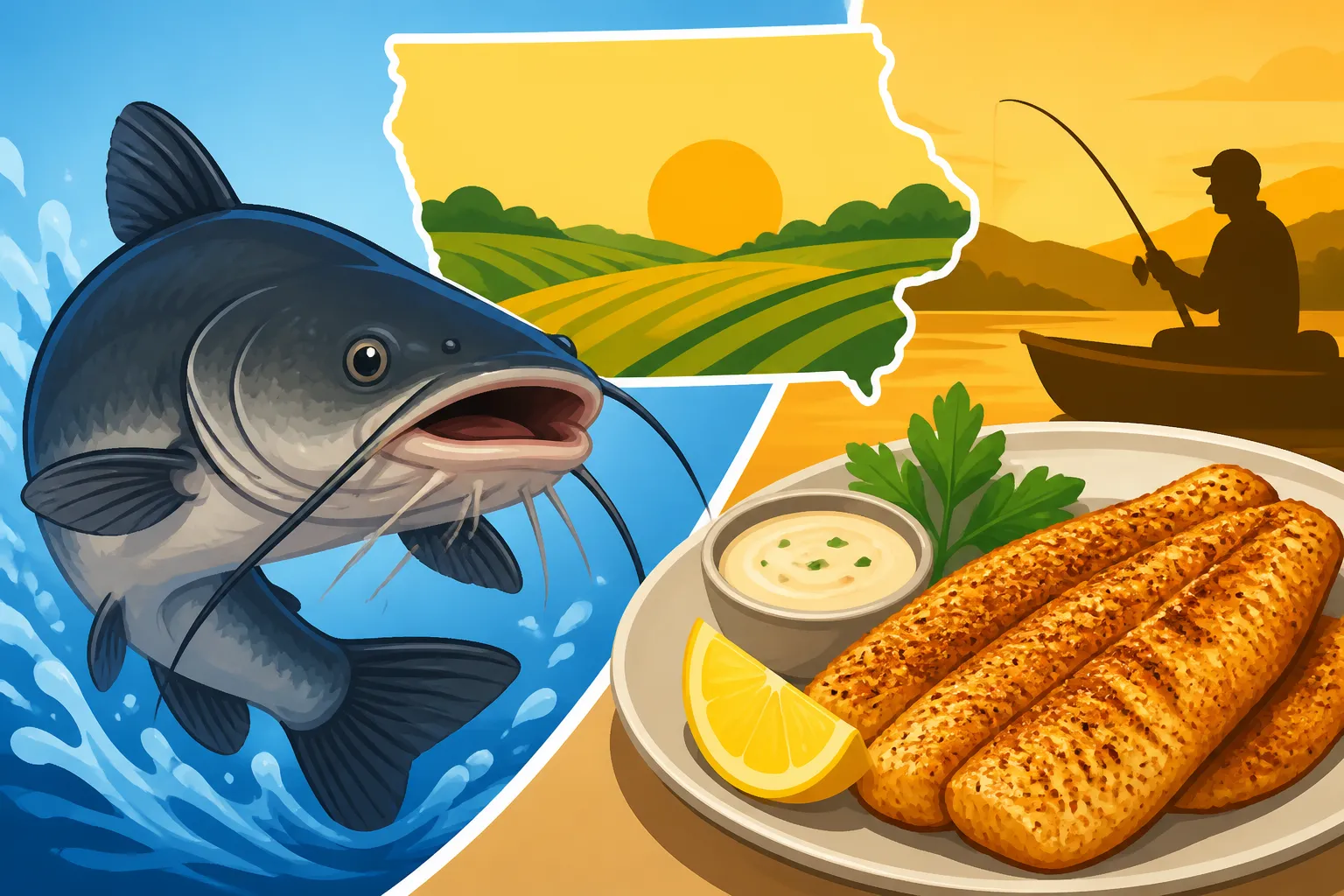
Catfish is incredibly versatile in the kitchen. The most iconic way to prepare it is undoubtedly deep-fried, resulting in crispy, golden-brown fillets with a tender, flaky interior. This method is a staple at fish fries across Iowa. However, don't limit yourself! Catfish can also be baked, grilled, pan-fried, or even broiled.
For a healthier option, try baking or grilling. Marinate the fillets in a zesty citrus and herb blend before throwing them on the grill for a smoky, flavorful dish. Pan-frying in a skillet with a light cornmeal breading and a bit of oil offers a similar crispness to deep-frying but uses less oil. The key is not to overcook the fish; catfish cooks quickly, and overcooked fish can become dry and tough.
Seasoning and Flavor Pairings
Catfish has a mild flavor, which means it's a fantastic canvas for a wide array of seasonings and flavor pairings. For classic fried catfish, a simple cornmeal breading seasoned with salt, pepper, garlic powder, and paprika is often all you need. You can find excellent pre-mixed fish breadings that simplify this process, and many are available through online retailers like Amazon.
Beyond the classic, think about complementary flavors. Lemon, lime, dill, parsley, and garlic all pair beautifully with catfish. For a spicier kick, try Cajun seasoning or a dash of hot sauce. Catfish also holds up well to bolder flavors like blackening seasoning or even a sweet and savory glaze. Experimenting with different marinades, rubs, and sauces can really elevate your catfish meal from good to gourmet. Consider serving it with traditional sides like coleslaw, hushpuppies, or crispy French fries for a true Midwestern experience.
Different Catfish Species, Different Tastes
Iowa is home to several species of catfish, and while they all fall under the "catfish" umbrella, there are subtle differences in their flavor, texture, and how they're best prepared. Understanding these distinctions can help you appreciate each catch even more.
Channel Catfish: The Iowa Staple
The channel catfish is by far the most common and popular species targeted by anglers in Iowa. They're widespread in rivers, lakes, and even some larger ponds across the state. In terms of flavor, channel catfish are generally considered to have a mild, sweet, and firm white flesh. Their diet is diverse, and they often inhabit cleaner waters, contributing to their good taste. These are the fish you'll most often find on a dinner plate, breaded and fried to perfection.
Smaller channel catfish, often in the 1-3 pound range, are typically the best eating. Their meat is tender and flaky, with a delicate flavor. As channel catfish get larger, particularly trophy-sized ones, their flesh can become a bit tougher and sometimes develop a stronger, more pronounced flavor. This isn't necessarily a bad thing, but it's something to consider when selecting which fish to keep for the table. Knowing How Big Channel Catfish Get in Iowa can help you decide.
Flathead Catfish: A Hunter's Delight
Flathead catfish are the big bruisers of Iowa's rivers, prized by trophy hunters for their immense size and powerful fights. But how do they taste? Many anglers, myself included, consider flathead catfish to be superior in flavor to channel cats, especially when they are smaller to medium-sized (say, under 15 pounds). Flatheads are predatory fish, primarily feeding on live fish, which contributes to their clean, lean, and firm white meat. They're often compared to firm whitefish or even lean pork tenderloin.
The key with flatheads, again, is size and freshness. Smaller flatheads (around 5-10 pounds) are excellent table fare. Larger flatheads, while providing a ton of meat, can have a coarser texture and a slightly stronger flavor, though still very good. Due to their firm flesh, flathead fillets hold up well to grilling and baking, in addition to the traditional frying. Understanding Flathead Catfish Habitat and Behavior can help you target these delicious giants.
Bullheads: Small but Flavorful
Bullheads, including black, brown, and yellow varieties, are often overlooked because of their smaller size, but they are surprisingly delicious. Their meat is similar to channel catfish – mild, sweet, and flaky – though sometimes a bit softer in texture. Because bullheads tend to thrive even in somewhat murky or stagnant waters, the "muddy" taste myth can sometimes be more prevalent with them if they come from less-than-ideal environments.
However, a bullhead from a clean lake or river, cleaned immediately, is a fantastic meal. Many anglers prefer to clean bullheads whole, simply removing the head, skin, and entrails, and then frying them whole. This ensures you get all that tasty meat. Don't underestimate these little powerhouses; they can provide a great meal, especially if you're looking for an easy-to-catch panfish. Check out Bullhead Fishing Basics for more tips on targeting them.
Health Benefits and Considerations
Beyond just taste, it's worth noting that catfish is a healthy and nutritious option for your dinner table. Like all wild-caught fish, it offers a range of benefits, but it’s also important to be aware of any consumption guidelines.
Nutritional Value of Catfish
Catfish is an excellent source of lean protein, making it a great choice for a healthy diet. It's relatively low in calories and saturated fat compared to many red meats. What really shines, though, is its nutritional content. Catfish is rich in B vitamins, particularly B12, which is vital for nerve function and red blood cell production. It also provides phosphorus, potassium, and selenium, important minerals for bone health, fluid balance, and antioxidant defense.
Perhaps most notably, catfish contains a good amount of Omega-3 fatty acids. While not as high as fattier cold-water fish like salmon, the Omega-3 content in catfish is still significant and contributes to heart health, brain function, and reducing inflammation. Eating wild-caught Iowa catfish is a delicious way to incorporate these essential nutrients into your diet.
Mercury and Consumption Guidelines
It's natural to have questions about contaminants like mercury when consuming fish, especially from wild waters. The good news is that catfish, particularly channel catfish and bullheads, are generally considered to be low in mercury compared to larger, longer-lived predatory fish like walleye or muskie. This is because they are typically lower on the food chain and don't accumulate as much mercury in their tissues.
Iowa's Department of Natural Resources (DNR) regularly monitors fish populations and issues consumption advisories for specific water bodies and species if necessary. These advisories are based on scientific data and are designed to ensure public safety. For common species like catfish, unless a specific advisory is issued for a particular lake or river, general consumption guidelines suggest that they are safe to eat regularly. Always check the latest local advisories or consult Iowa Fishing Regulations Explained before planning to keep fish from any specific water body, just to be on the safe side.
Sustainable Catfish Fishing in Iowa
The great thing about fishing for catfish in Iowa is that it's a largely sustainable activity. Channel catfish and flathead catfish populations are robust and well-managed in our rivers and lakes. They reproduce readily and grow quickly, ensuring a healthy stock for future generations of anglers. By following Iowa Fishing Daily Bag Limits Guide and size regulations, anglers help maintain these healthy populations.
Catch-and-release is always an option, especially for very large, older fish that may be less palatable or serve as important breeders. However, keeping a few medium-sized catfish for a meal is perfectly acceptable and contributes to managing the population. Supporting local fishing, whether through license purchases or buying bait and tackle from local shops, helps fund conservation efforts that keep our fisheries healthy and abundant.
Iowa Catfish Species: A Taste Comparison
To help you make the most of your next fishing trip, here's a quick comparison of the common catfish species found in Iowa and their general characteristics when it comes to eating.
| Species | Typical Size for Eating | Flesh Color | Texture | Flavor Profile | Best Cooking Methods | Notes |
|---|---|---|---|---|---|---|
| Channel Catfish | 1-5 lbs | White | Flaky, firm | Mild, sweet, slightly earthy | Fried, baked, grilled, pan-fried | Most common, excellent all-around table fare. |
| Flathead Catfish | 5-15 lbs | White | Very firm | Clean, lean, mild, often compared to pork/whitefish | Fried, baked, grilled, pan-fried | Prized for flavor, especially from cleaner, flowing water. |
| Bullhead | 0.5-1.5 lbs | White/Pinkish | Soft, flaky | Mild, sweet, can be earthy depending on habitat | Fried (often whole), pan-fried | Small but tasty, great for pan-frying if from good water. |
As you can see, each species offers a slightly different experience, but all can be absolutely delicious when handled with care.
So, is catfish good to eat? Absolutely! With a little knowledge about where to fish, how to clean them, and the best ways to cook them, Iowa catfish can be a truly fantastic and sustainable meal. Don't let old myths deter you; get out there, catch some catfish, and enjoy the delicious bounty our Iowa waters have to offer!
Disclaimer
This article is for general informational purposes only and does not constitute professional advice. Laws, prices and regulations vary by location and change over time. Consult a qualified professional for guidance on your specific situation.